
Concrete vs. Asphalt for Industrial Facility Paving: How to Spec It Right


Most GCs don't spec paving material until late in the process. By then, the budget is set and the schedule pressure is real. That's the wrong time to make this decision.
Concrete and asphalt are not interchangeable. The right choice depends on load, climate, budget structure, and what the owner expects to spend over the life of the facility. Here's how to think through it.
When concrete wins
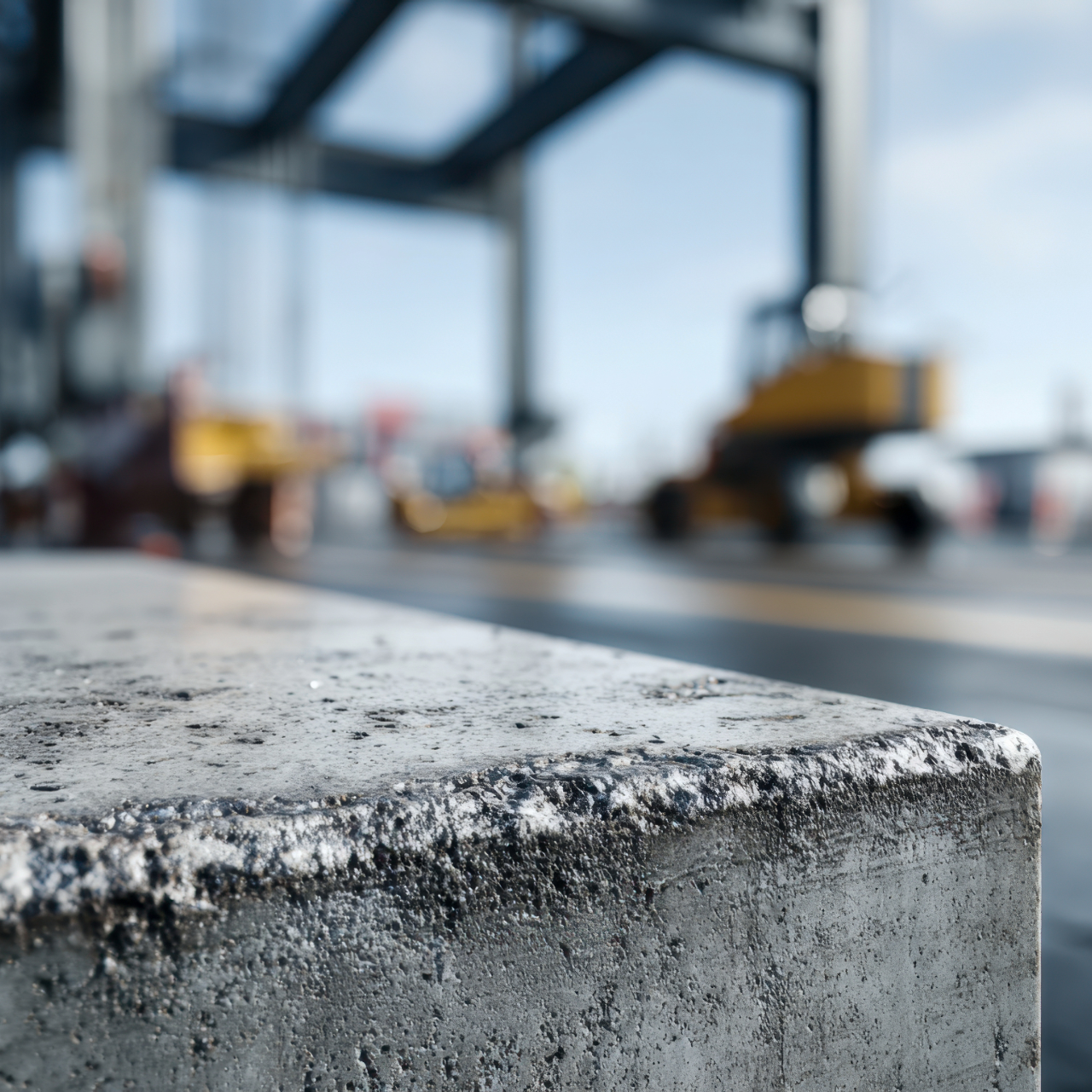
Concrete is the right call when the load is heavy and continuous.
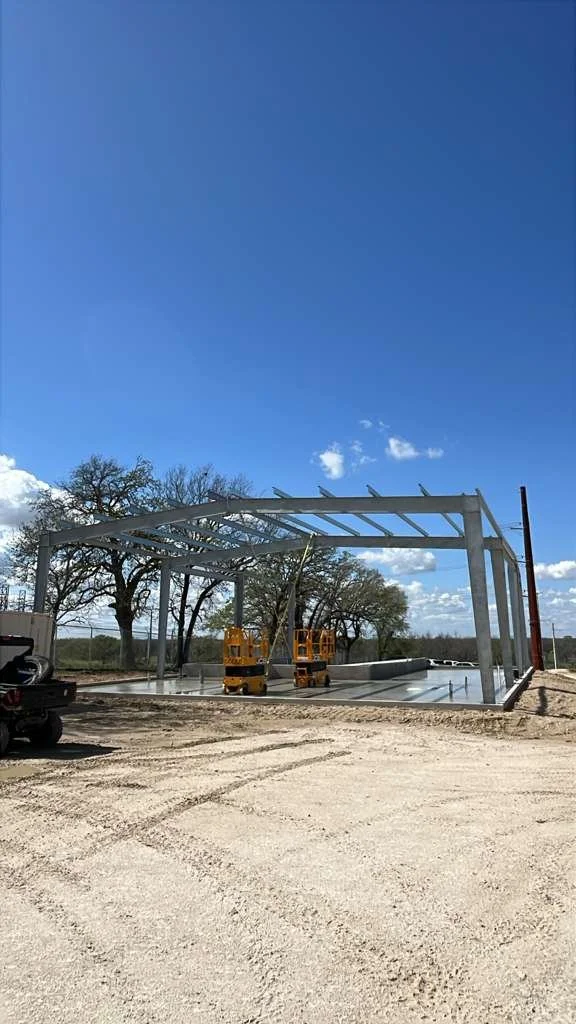
Data center access roads, generator yards, and heavy equipment pads take punishment that asphalt can't absorb long-term, especially in Louisiana, Texas, and Florida, where summer heat softens asphalt under static load. A generator sitting on asphalt in August in Houston is a problem waiting to happen.
Concrete also wins on lifecycle cost. The upfront number is higher, but a well-built concrete pavement in an industrial environment lasts 30 to 40 years with minimal maintenance. For owners who are building to operate, not to flip, that math matters.
One more factor: flatness. If the facility has forklifts, AGVs, or heavy rolling equipment moving across the yard, concrete can be poured to flatness tolerances that asphalt simply can't hold.
When the schedule drives the decision
Asphalt wins on speed and flexibility.
If the project has a hard opening date and the paving scope is on the critical path, asphalt installs faster and opens to traffic sooner. For staging areas, temporary access roads, or parking facilities where the owner wants to defer long-term capital, asphalt is a defensible choice.
It also wins when the ground moves. Expansive soils, common across parts of Texas and Louisiana, can crack rigid concrete pavement. Asphalt flexes. In those conditions, a well-designed asphalt section with proper base preparation outperforms concrete that wasn't engineered for soil movement.
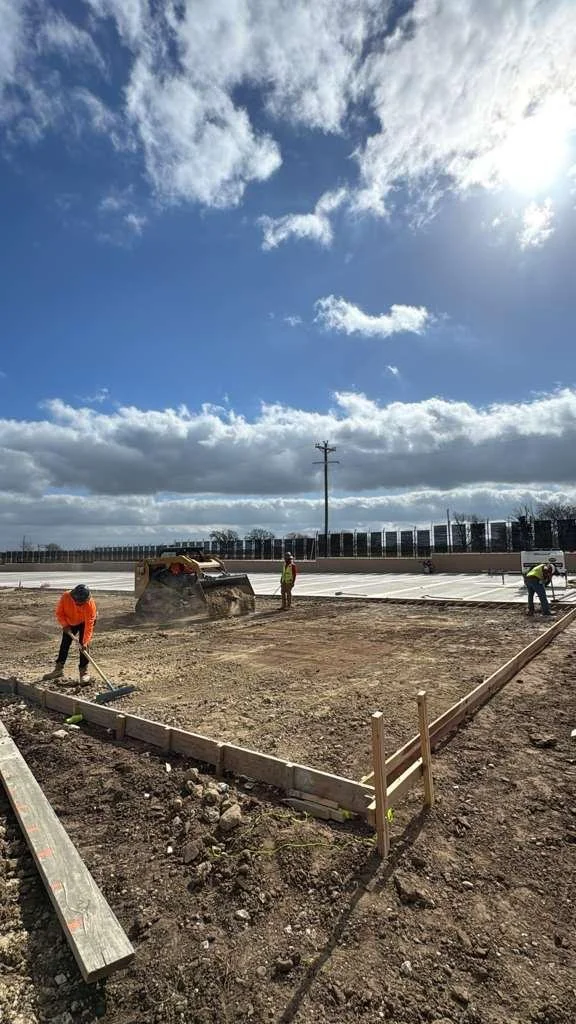
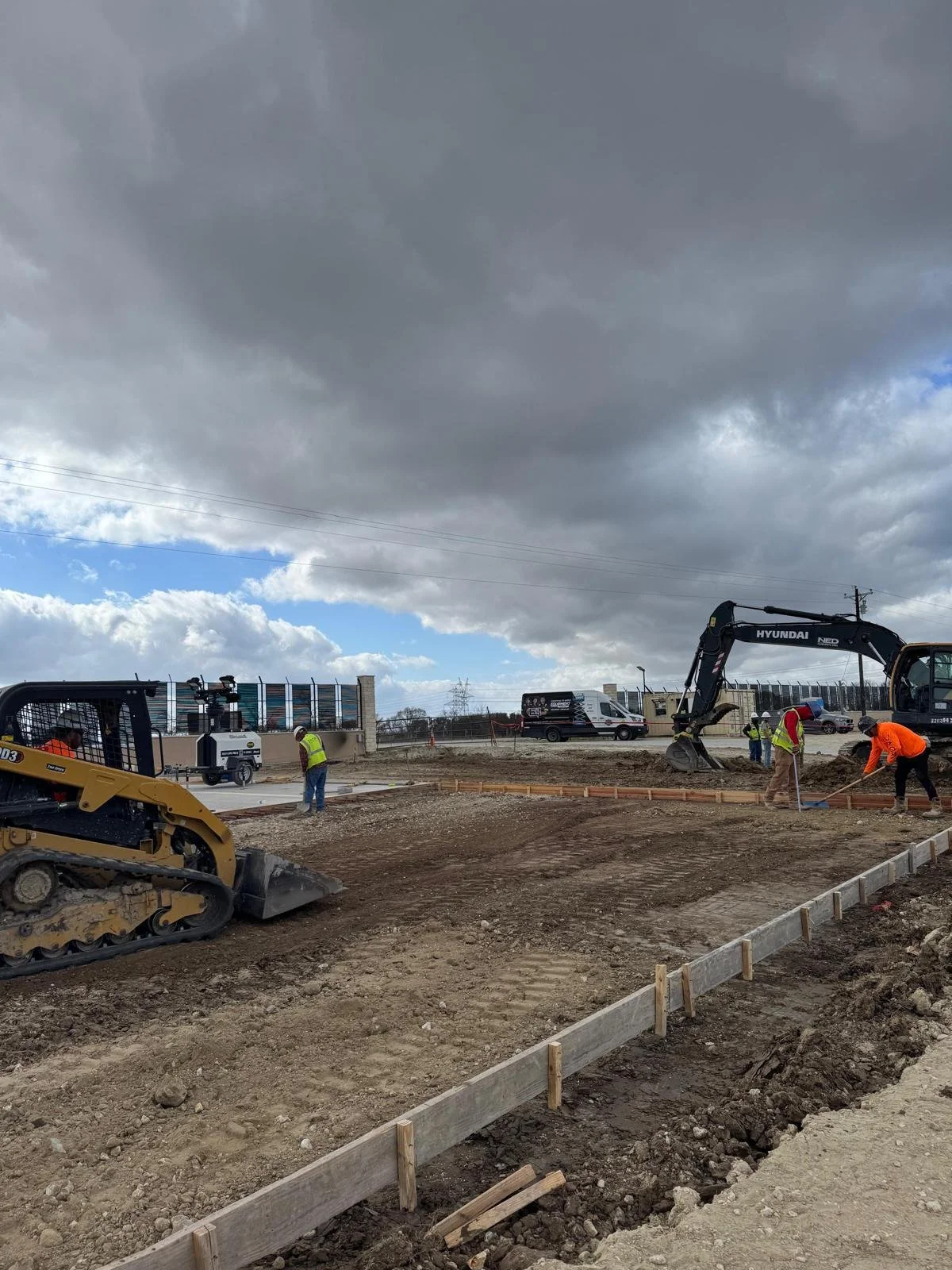

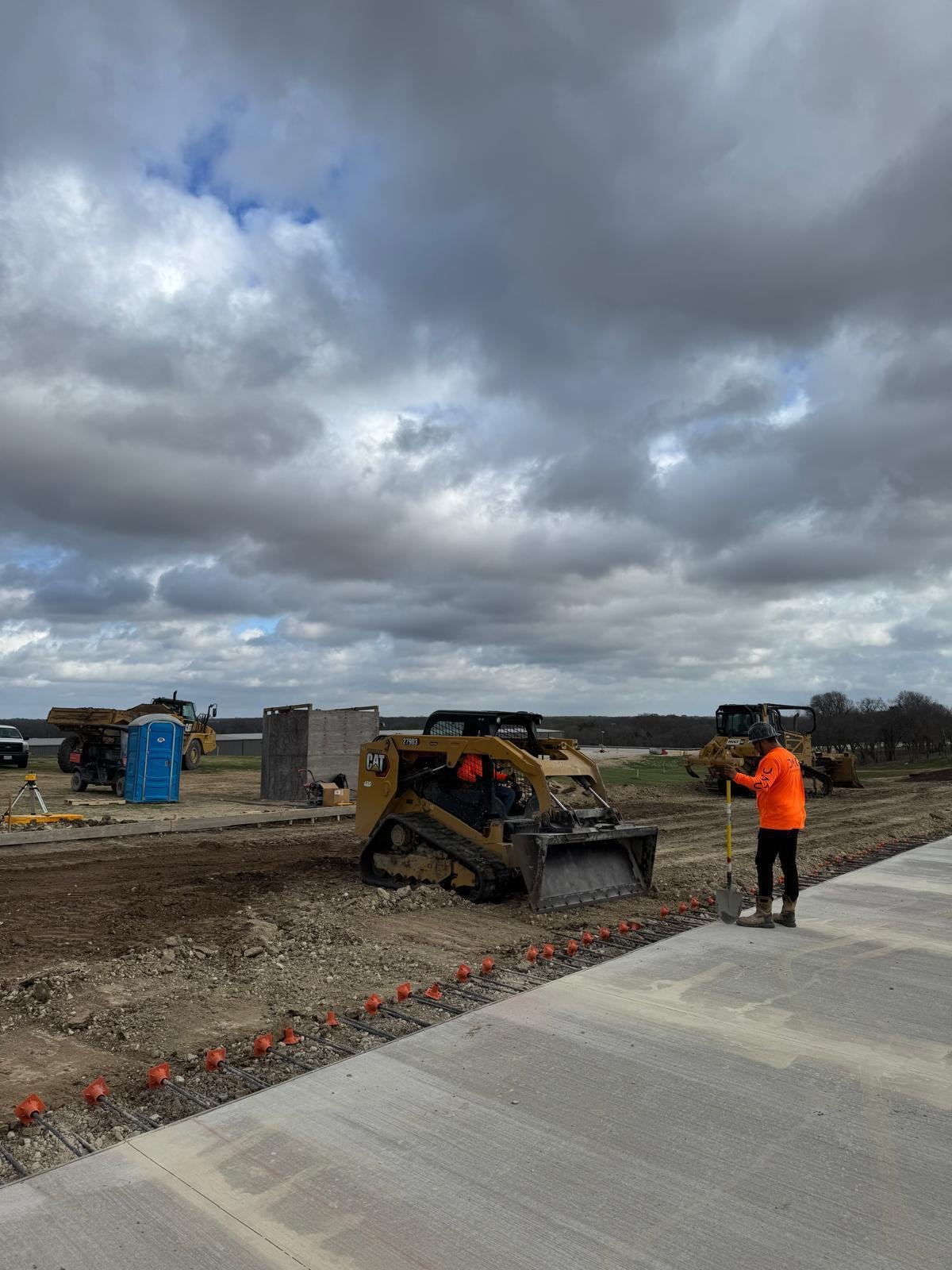


What climate does to the equation
Heat and moisture change the calculus in the Gulf South.
Asphalt softens in sustained high heat. In a facility with heavy truck traffic or static equipment loads, that means rutting, and rutting means maintenance cycles that add up. Concrete doesn't have that problem, but it expands and contracts with temperature, which means joint design matters. A poorly jointed concrete pavement in a high-heat environment will crack. The material is only as good as the contractor who installs it.
Drainage is the other factor. Both materials fail on a bad base in high-rainfall environments. Subgrade preparation and drainage design are not optional in Louisiana and Florida, they are the job.
The spec decision in one sentence
If the owner is building to last and the loads are heavy , spec concrete. If the schedule is tight and the loads are moderate, asphalt is the right tool.
We deliver both. Concrete paving and asphalt paving for industrial facilities, data center campuses, and infrastructure projects across Louisiana, Texas, and Florida. DBE-certified. Built for the projects where the paving scope can't slip.
If you're a GC evaluating paving subs for an upcoming project, we'd like to be in that conversation.